
When a young child is struggling with frequent tantrums, defiance or aggressive behavior, many caregivers begin searching for help. Along the way, you’ll come across several types of children’s behavioral therapy, including parent-child interaction therapy (PCIT) and Child-Centered Play Therapy (CCPT).
Both approaches are evidence-based and aim to support children’s emotional development and well-being, but they work in different ways and are designed for different needs. Understanding how each works can help families make informed decisions when exploring therapy options for their child.
What is children’s behavioral therapy?
Children’s behavioral therapy focuses on helping young children develop emotional regulation, communication and positive behavior patterns.
For children ages two to seven, these challenges commonly manifest as:
Frequent outbursts
Difficulty following directions
Aggressive or defiant behavior
These behaviors can be stressful for families and are common during early childhood. However, the right therapeutic support can help children and caregivers navigate these moments and build new skills, all while strengthening the relationship.
What is play therapy?
Child-Centered Play Therapy is a therapeutic approach that uses play, the natural language of children, to help them express emotions and experiences they may not yet have the words to explain, with effectiveness across a range of childhood concerns.
Emotional stress or anxiety
Life transitions, such as a move, divorce or loss
Social difficulties or low self-esteem
Coping with aggressive or disruptive behaviors
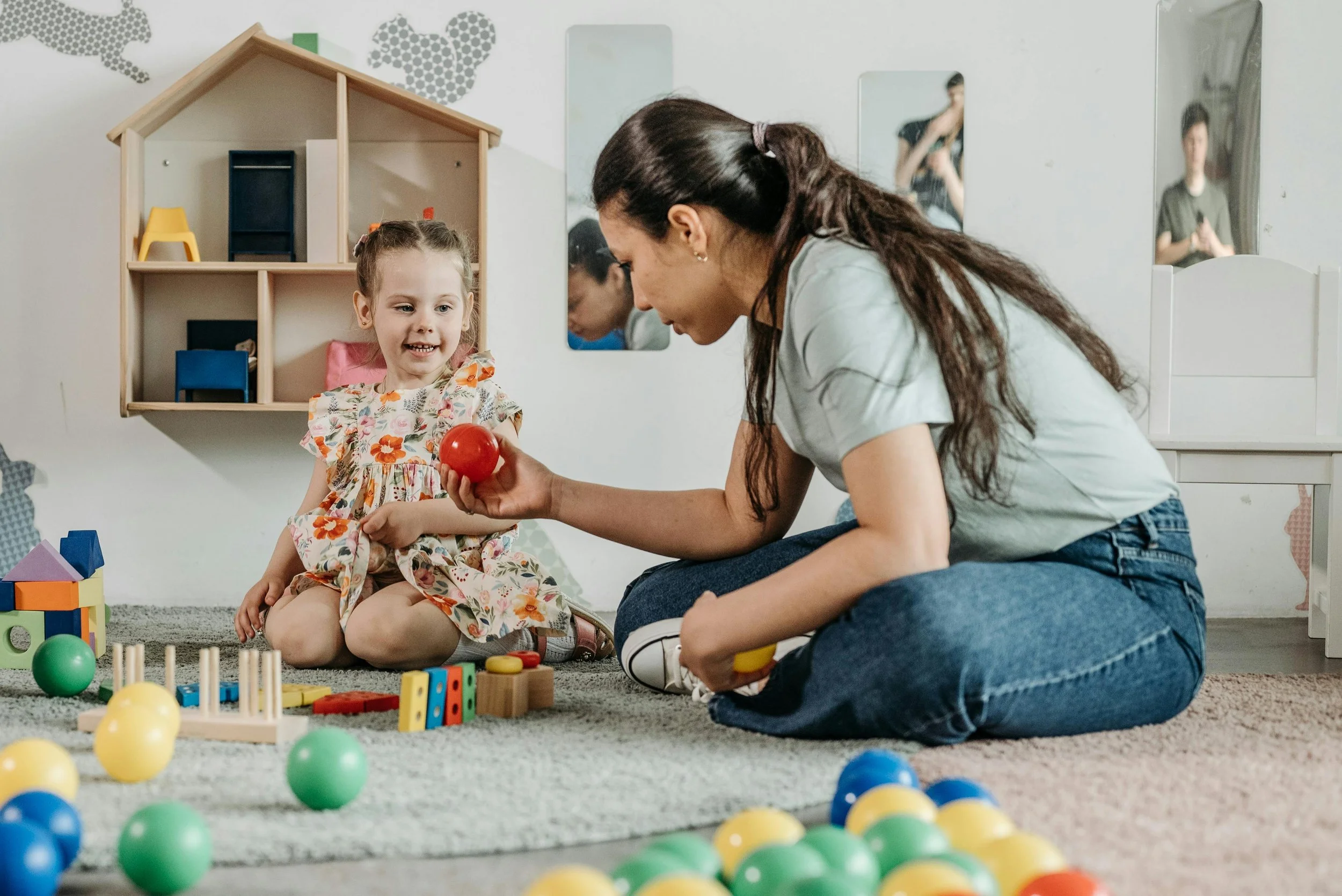
In play therapy sessions, children interact with toys, art materials or games. The therapist observes and guides the process, with the goal of helping the child explore their feelings, process experiences and build emotional awareness and self-regulation in a safe, accepting environment.
Caregiver involvement is a valued part of play therapy. While the sessions themselves are child-led, therapists regularly consult with caregivers to discuss the child’s progress, identify patterns and offer strategies families can use at home. For children navigating emotional stress or life transitions, play therapy can offer an important outlet.
Research also shows that CCPT yields positive effects on externalizing problem behaviors, including aggression and defiance. It is an option widely used by mental health professionals to help children build emotional awareness, resilience and coping skills.
What is parent-child interaction therapy (PCIT)?
Parent-child interaction therapy takes a different approach to supporting children with behavioral challenges. During PCIT, therapists coach caregivers through an earpiece as they interact with their child. This live coaching helps caregivers learn practical skills that strengthen the relationship and improve behavior in the moment.
Widely recognized as an evidence-based child therapy, PCIT is designed specifically for children ages two to seven who may be experiencing:
Frequent tantrums or emotional outbursts
Difficulty following directions
Aggressive behavior in young children
Ongoing power struggles during everyday routines
PCIT works through two distinct, proven phases:
Child-Directed Interaction (CDI): Parents learn to follow their child's lead in play, using specific skills to nurture warmth, attention and cooperation. This phase strengthens the emotional bond between parent and child. This phase of PCIT teaches parents to use strategies similar to those used by play therapists.
Parent-Directed Interaction (PDI): Parents are taught how to give clear instructions, set consistent limits, and follow through with predictable consequences. This helps reduce disruptive behaviors and improve the child's ability to listen and follow directions.
By guiding caregivers through structured interactions, PCIT helps families build stronger communication and positive behavior patterns that extend beyond the therapy room.
PCIT is backed by 40 years of research, and standards for training and delivery are supported by PCIT International to ensure families receive consistent, informed care.
What are the key differences?
PCIT centers on the parent-child relationship itself, with caregivers as active participants in every session, learning and practicing specific techniques in real time with their child. This coaching model is designed to create immediate, observable changes in how families interact, while providing caregivers with tools they can continue using long after therapy ends.
Play therapy centers on the child’s inner world, using play as the medium for emotional processing, self-expression and self-regulation. The therapeutic relationship between child and therapist is at the heart of the work, with caregiver consultation provided alongside sessions. In standard CCPT, therapists conduct regular parent consultations (usually every three to five sessions) to review progress and share insights.
Which therapy is right for your child?
Every child and family is different, so the best therapy option depends on your child’s needs, age and the challenges your family is experiencing. What truly matters most is finding support that helps both caregivers and children feel understood and connected. If you’re exploring children’s behavioral therapy options for your child, you’re already taking an important step toward positive change.
Let’s take the first step, together.
Beginning PCIT doesn’t mean you’ve failed. It means you’re investing in your family’s well-being. If you’re considering PCIT or preparing for your first appointment, know that you’re not alone. Contact our team to find a PCIT provider near you, and visit our California site to locate a PCIT provider in your community.
